Museums for understanding Taiwan's 20th-century history
A look at historical traumas that have shaped Taiwan today

Taipei is best known for night markets, temples, and mountain views, but the city also has several museums that deal with more difficult parts of Taiwan’s history.
These sites help explain how Japanese colonialism, World War II, martial law, and democratization shaped modern Taiwan. Some of the material is heavy, but if you want to understand Taiwan beyond the usual attractions, they are worth making time for.
#1: National Human Rights Museum's White Terror Memorial Park
A sobering look at political persecution during the authoritarian KMT martial law era

The National Human Rights Museum’s Jing-Mei White Terror Memorial Park offers visitors a harrowing look at one of Taiwan’s most important sites of political repression and democratic memory.
Located in Xindian District, the site was used by the Chinese Nationalist Party’s (KMT) authoritarian regime to detain, prosecute, and imprison people accused of political crimes during the White Terror period, which generally refers to more than four decades of repressive rule under martial law from 1949 to 1987. Numerous people were wrongly convicted, imprisoned, or executed during this period, according to the museum.
For visitors, the park’s most historically significant spaces include the Ren-Ai Building, where political prisoners were detained, and the First Court and Military Court, where trials were held.
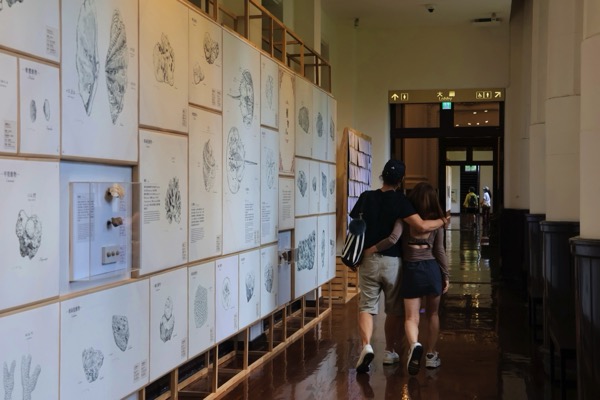
The site is large, and you can freely explore the cells and other administrative rooms of the former prison and military courts. You can even use the telephones that prisoners used to talk to family members, and there are numerous historical items from the White Terror period on display.


The park’s exhibitions introduce the historical background of the White Terror in English and Chinese. With so much to read and look at, it's easy to spend several hours here. Special exhibitions are also held at the park from time to time.
The site is open Tuesday to Sunday from 9 AM to 5 PM, and admission is free. Visitors should be aware that the museum’s content may provoke strong emotions in some, and that the site has a quiet, somber atmosphere because of the historical trauma it represents.
Mandarin guided tours are offered twice daily at 10:30 AM and 2:30 PM. If you can understand Chinese, This Is Taipei strongly recommends joining the tour, which was extremely moving and thought-provoking when we took part in March 2026.
Foreign visitors can borrow portable audio guides in English and several other languages. The site is a short walk from Shisizhang MRT Station.

#2: National 228 Memorial Museum
A powerful look at the February 28 Incident and Taiwan’s long struggle for justice

The National 228 Memorial Museum is one of Taipei’s most important places for understanding Taiwan’s authoritarian past and democratic development.
Located in Zhongzheng District near Chiang Kai-shek Memorial Hall, the museum focuses on the February 28 Incident, a 1947 uprising that began after government agents beat a cigarette vendor in Taipei and shot a bystander. The incident is often called “228” in Taiwan because the numbers refer to the date protests erupted and subsequently spread across the island.
The museum explains how public anger over corruption, economic hardship, and abuse under the Chinese Nationalist Party (KMT) government turned into islandwide unrest, before the authorities launched a violent crackdown. Large numbers of people were killed, imprisoned, or disappeared, and the incident became a defining trauma in Taiwan’s 20th-century history.
The permanent exhibition is on the second floor, and includes photographs, documents, timelines, artifacts, and video material related to the incident and its aftermath. It’s relatively compact, but there is a lot to absorb. You could move through the main exhibition in under an hour, but visitors who want to read carefully should allow more time.


This Is Taipei visited on a rainy day in June 2026 and found the museum atmosphere quiet and solemn. There was not much English-language signage in the main exhibition, which was disappointing. However, visitors can scan QR codes for extra information, and English explanations and audio are available through them.
The museum usually has other temporary exhibitions on the third floor, which are generally free to enter. These exhibitions often focus on human rights-related topics.
The museum is open Tuesday to Sunday from 10 AM to 5 PM and is closed on Mondays. Opening hours may change around public holidays or other announced closure days. Admission is free.
The museum is easy to get to from Chiang Kai-shek Memorial Hall MRT Station. Leave from Exit 1 or 2 and walk south along Nanhai Road for about 10 minutes.

#3: Ama Museum
Preserving the voices of wartime rape survivors
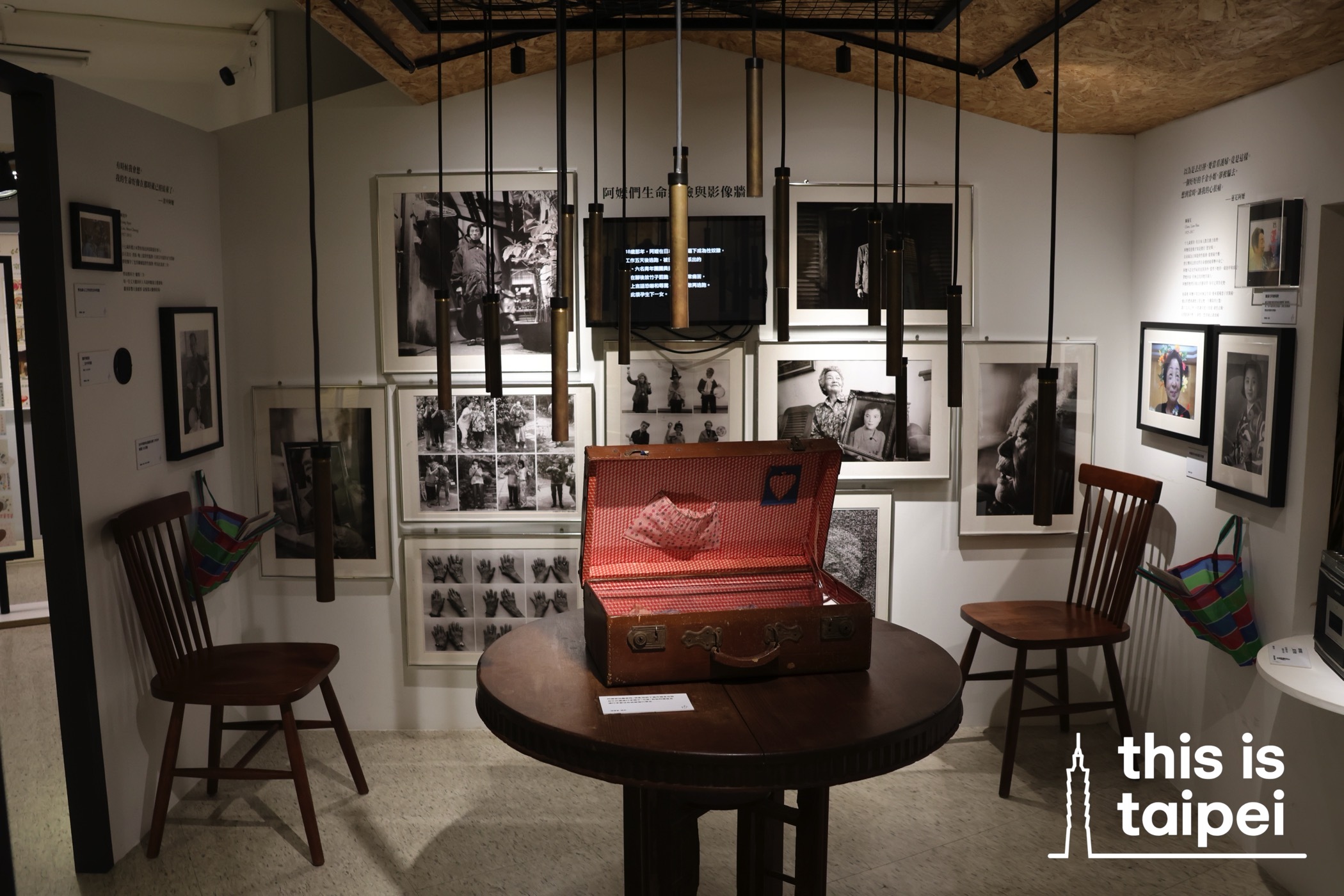
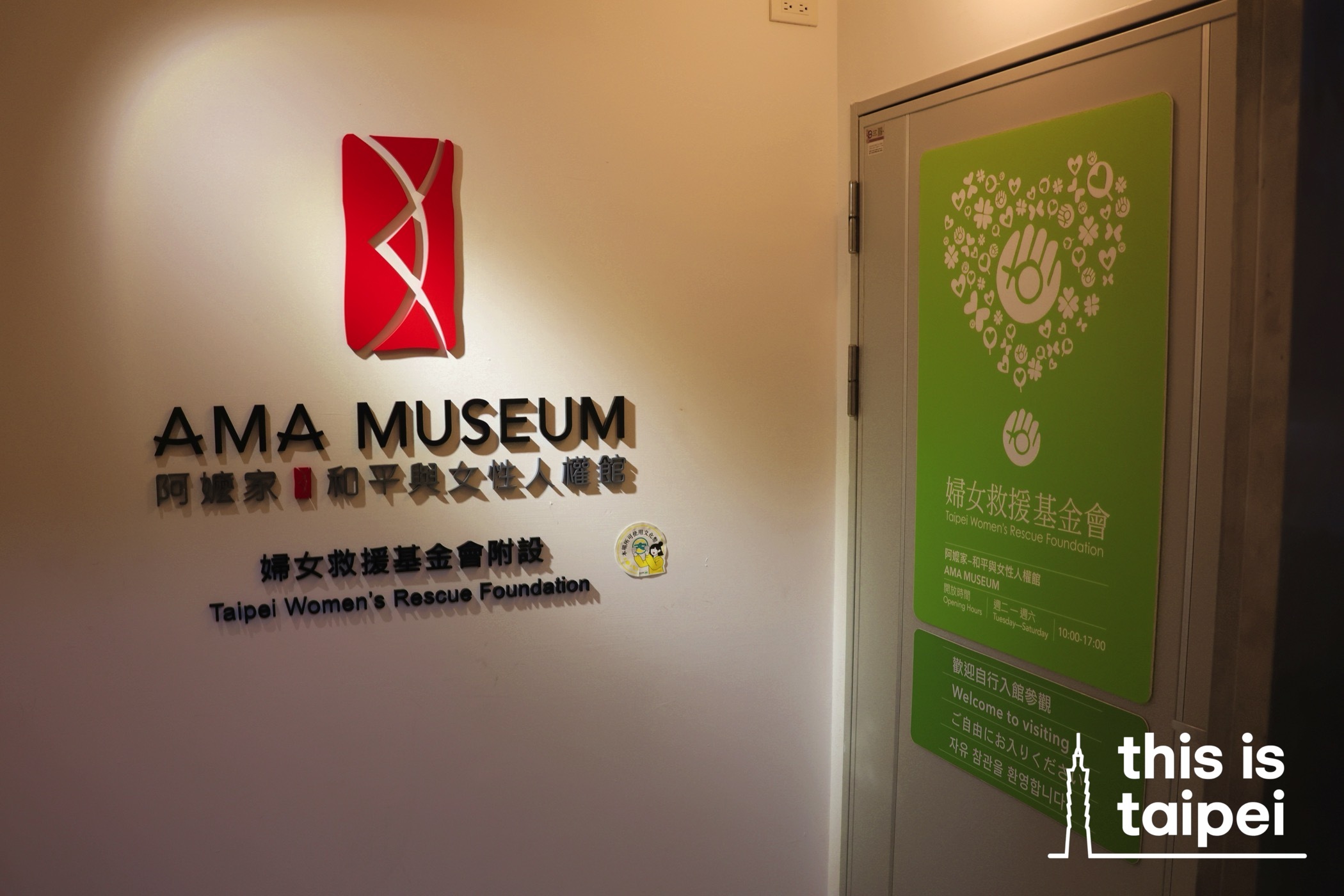
The AMA Museum, which opened in 2016 and is run by Taipei Women's Rescue Foundation, focuses on the harrowing experiences of 59 Taiwanese so-called "comfort women" — women and girls from East and Southeast Asia who were forced by the Imperial Japanese Army to become sex slaves during World War II.
While Japan's military destroyed many records, most estimates suggest that up to 200,000 people were forced into sexual slavery before and during the war.
It's a widely known colonial trauma in South Korea that continues to influence Japan-South Korea relations today — every Wednesday, a rally is held in Seoul advocating for the women. In Taiwan, however, their plight has received less public attention.
Through photographs, personal belongings, recorded testimonies, and historical documents, the museum gives an insight into the women's experiences and their decades-long fight for recognition and justice.
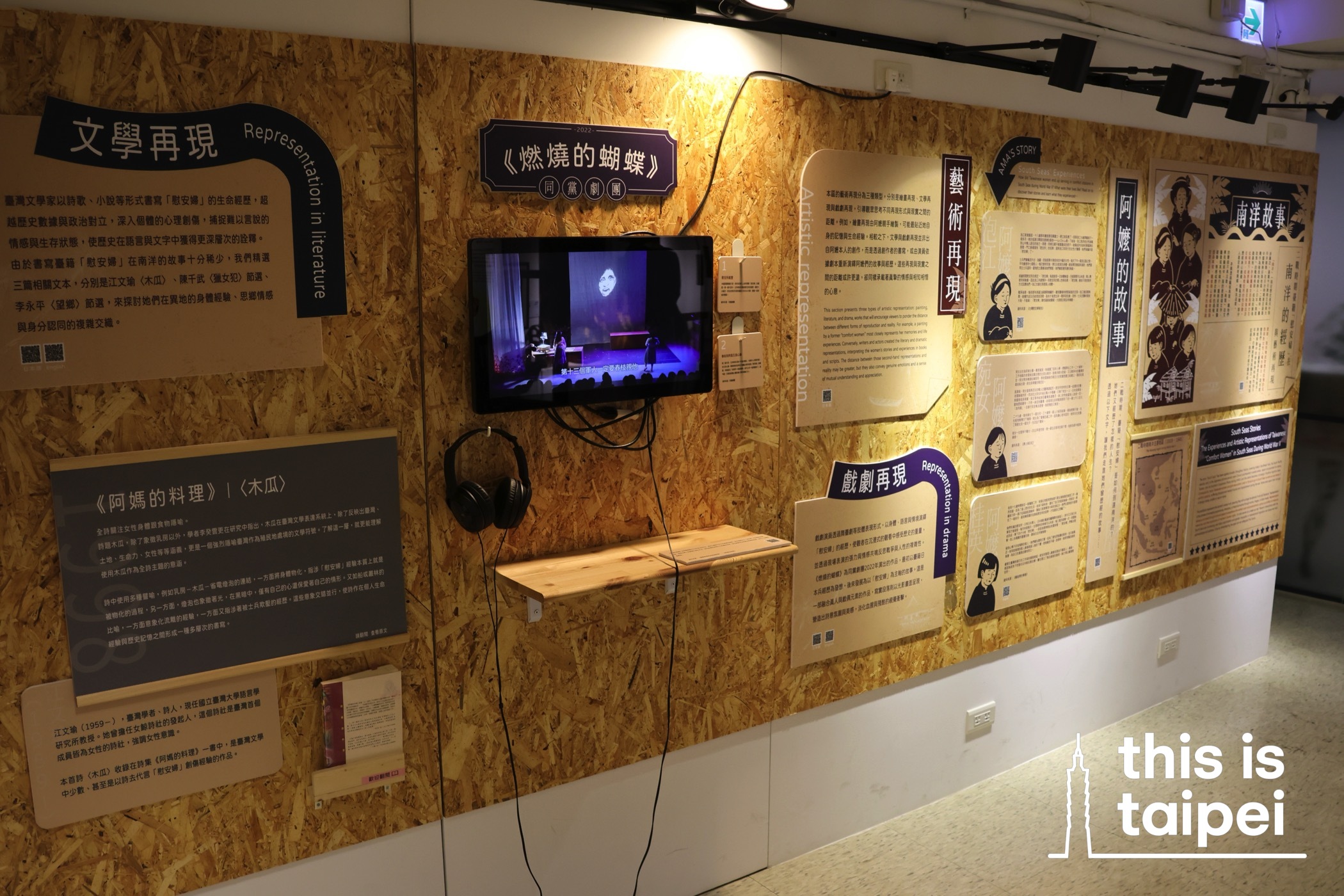

There are also historical artifacts, including items owned by the women and documents produced by Japanese authorities, which give a sense of the bureaucracy behind the transnational system of wartime sexual exploitation.
Nearly half of the exhibits have decent English translations. The museum is on the fifth floor of what looks like a residential building. There is an NT$30 entrance fee.
It is open between 10 AM and 5 PM from Tuesday to Saturday, and Minquan West Road MRT Station is a few minutes' walk away.