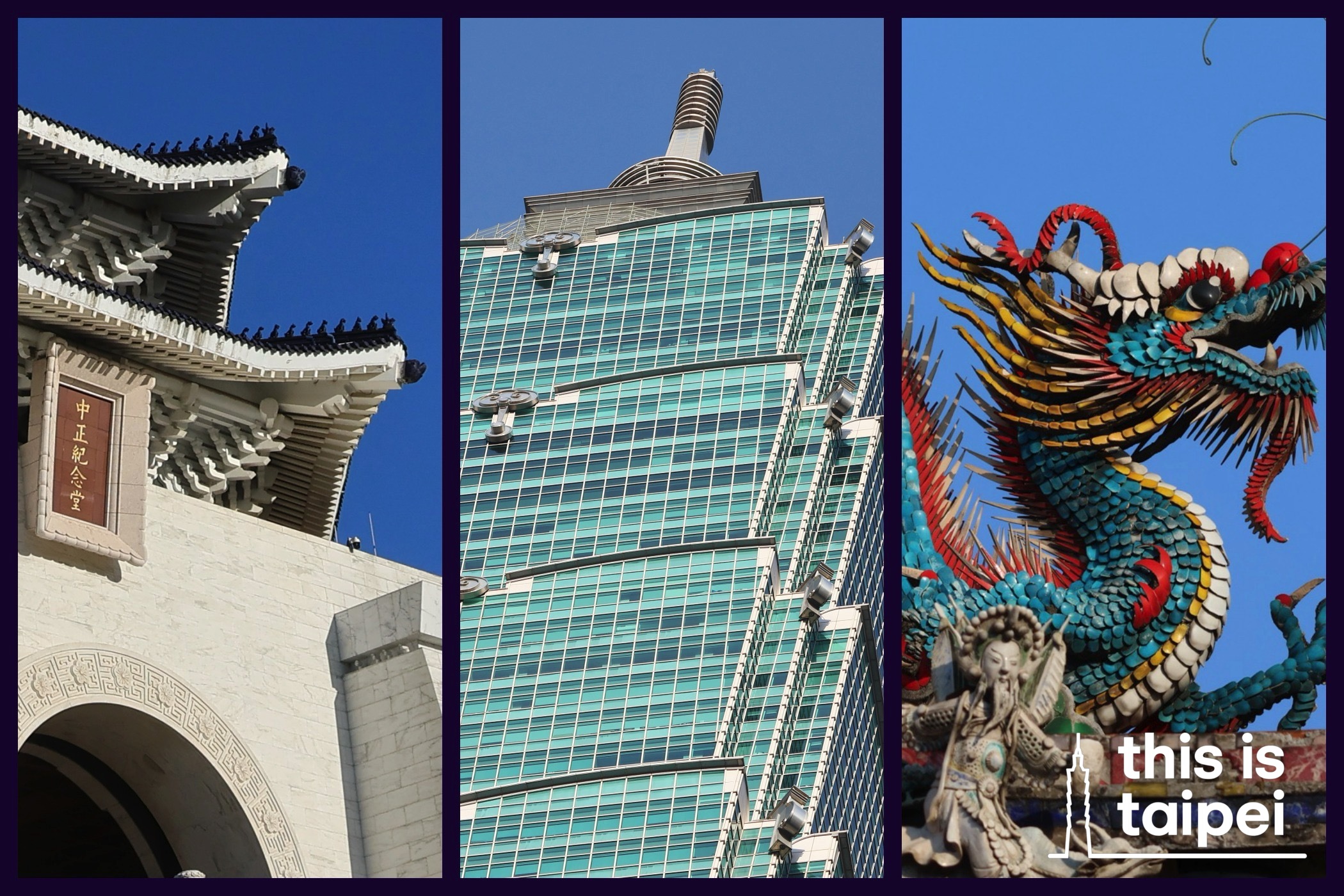
Three well-known Taipei landmarks to visit
Easy stops for first-time visitors exploring the city
Some of Taipei’s best-known attractions are famous because they are glitzy and eye-catching, while others matter because they help show the city and Taiwan’s wider history and culture.
Taipei 101 gives visitors the skyline view, Chiang Kai-shek Memorial Hall raises questions about Taiwan’s authoritarian past and democratic transition, and Longshan Temple offers a look at one of the city’s oldest and most active religious sites.
For first-time visitors to Taiwan, or anyone wanting to understand Taipei better, these places are a fantastic place to start.
#1: Taipei 101
Catch great views from the city's tallest building
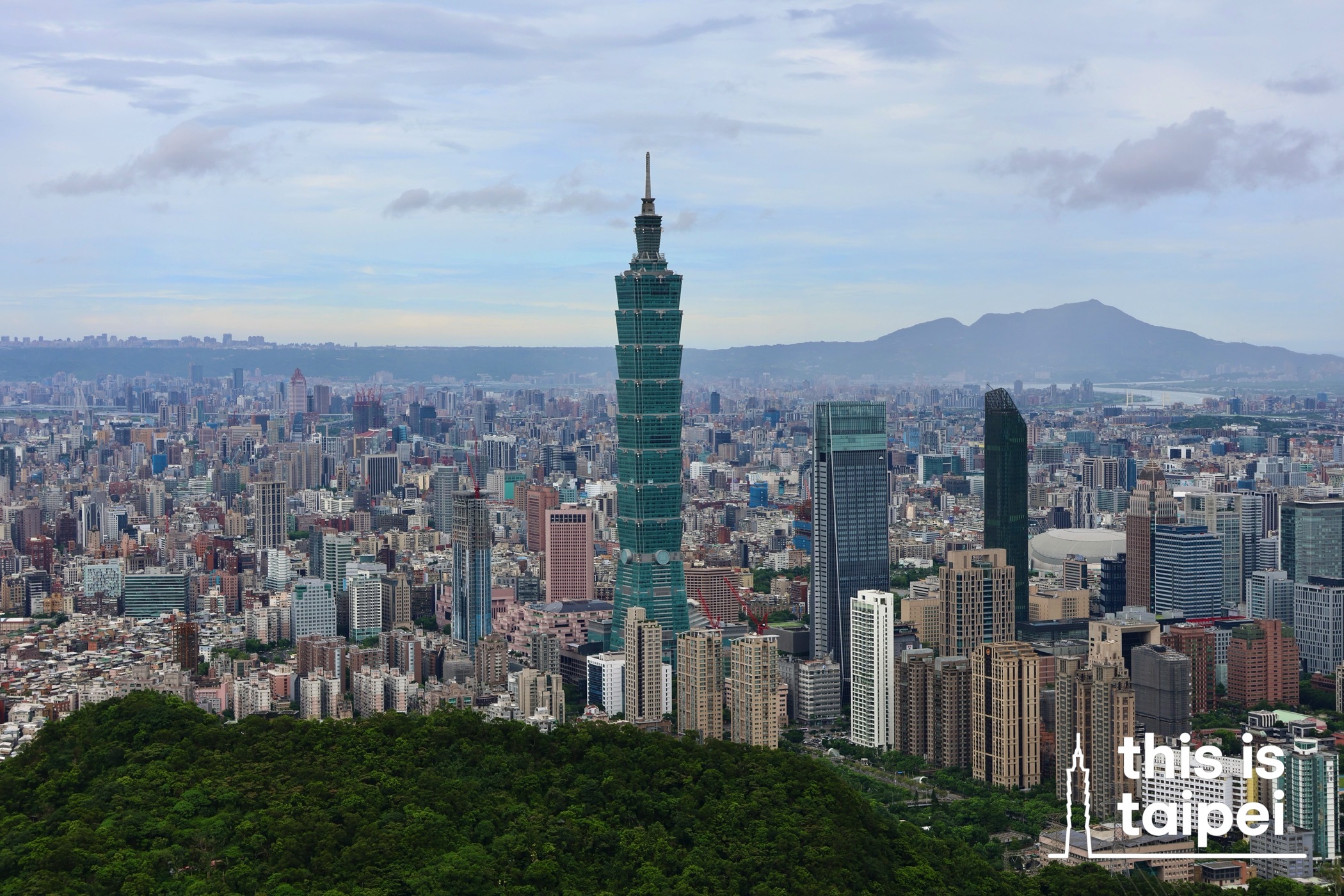
Taipei 101 is Taiwan’s famous skyscraper, known for its skyline views.
The 508-meter tower was the world’s tallest building from 2004 to 2010. It's home to offices, a multi-level shopping mall, restaurants, cafes, and an observatory 382 meters above ground.
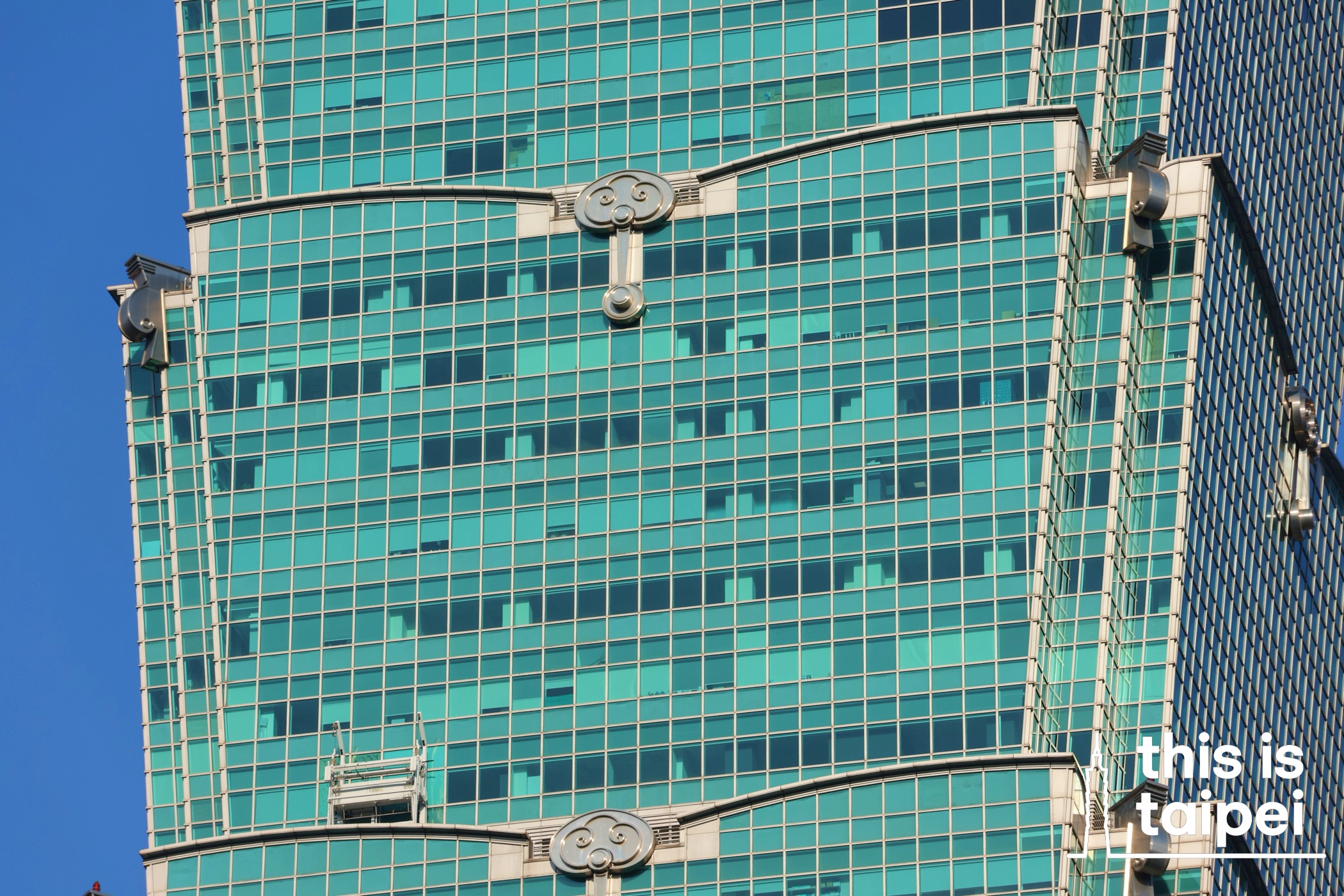
The building was designed to combine modern engineering with traditional Taiwanese and Chinese symbolism. Its stacked sections are often compared to bamboo, a plant associated with strength and resilience, while the large curled ruyi motifs on its exterior are based on an ancient Chinese symbol linked to protection and good fortune, according to the Taiwan Tourism Administration.
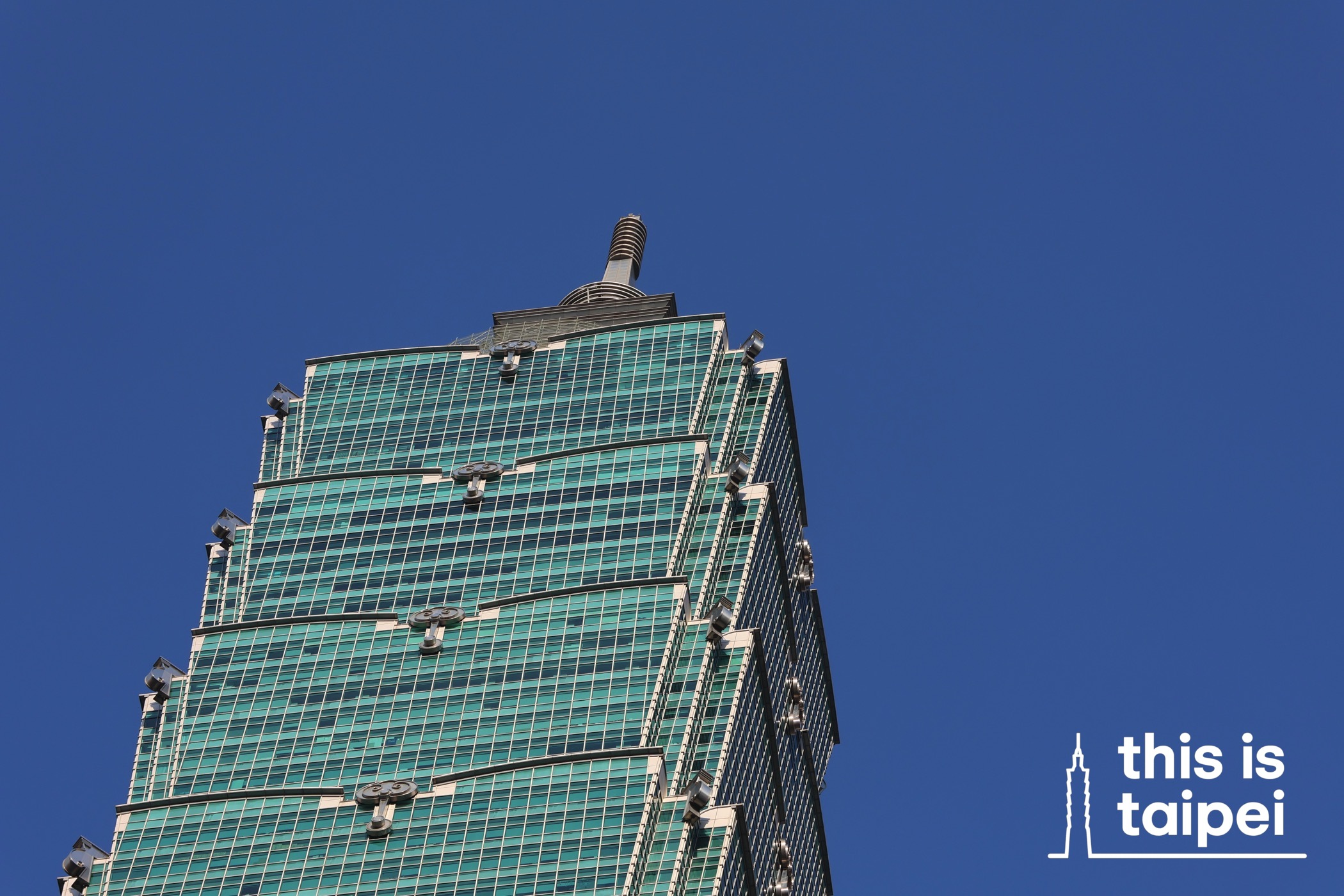
Taipei 101 is also famous for its engineering. The tower was built to withstand strong winds and major earthquakes, and visitors to the observatory can see its huge tuned mass damper, a suspended golden sphere that helps stabilize the building. It is one of the few dampers in the world open for visitors to view.
The observatory offers wide views across Taipei, with Elephant Mountain, Xinyi’s high-rise buildings, and the surrounding basin all visible on a clear day. Tickets cost NT$600 for adults, according to the Taipei 101 website. There are also fast pass and higher-floor ticket options available.
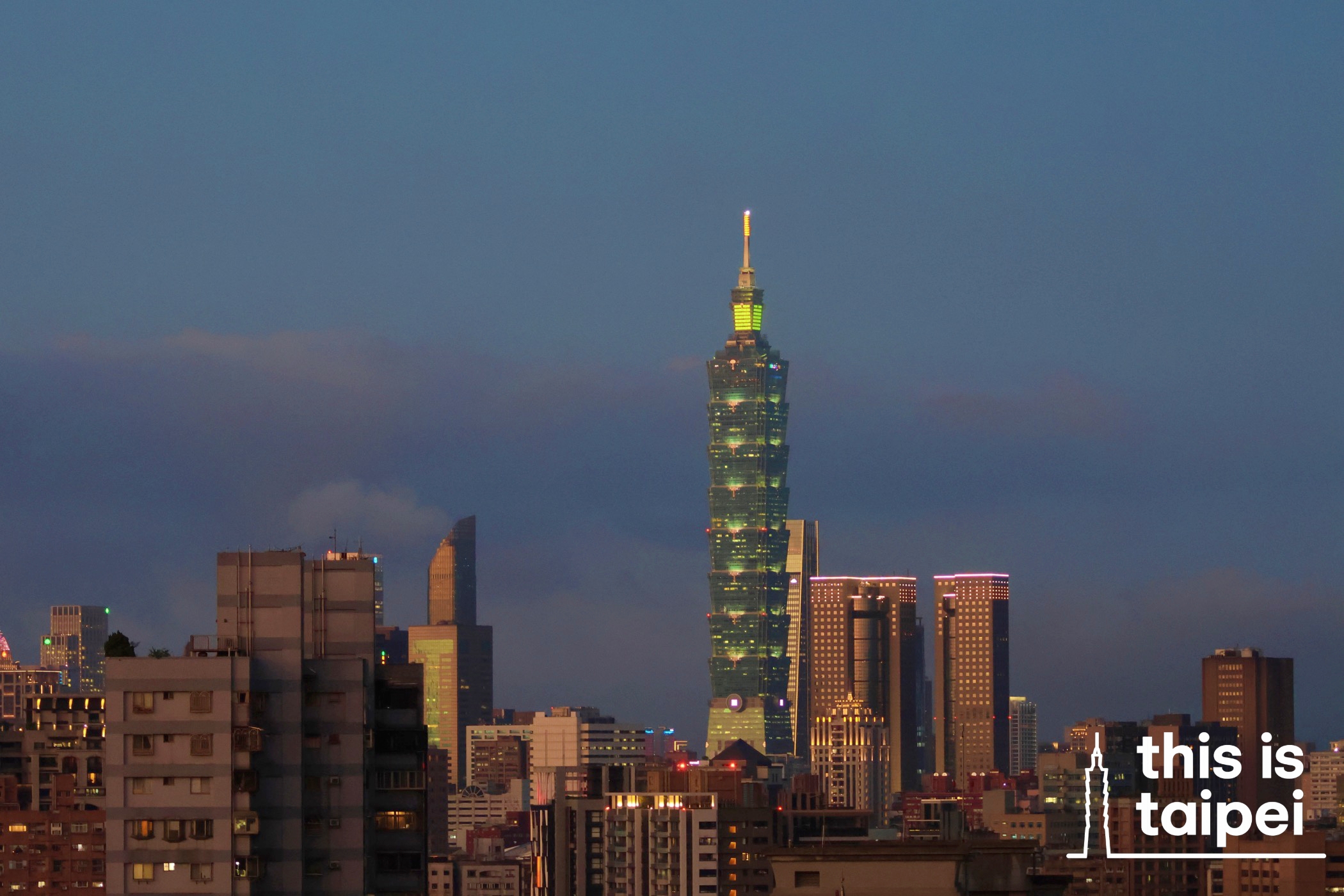
The tower is also famous for its New Year’s Eve fireworks and its annual Taipei 101 Run Up, when participants race up the building’s stairs to the top. Earlier this year, the skyscraper also drew international attention when American climber Alex Honnold climbed it without any safety equipment.
#2: Chiang Kai-shek Memorial Hall
An attraction shaped by Taiwan's authoritarian past and democratic present
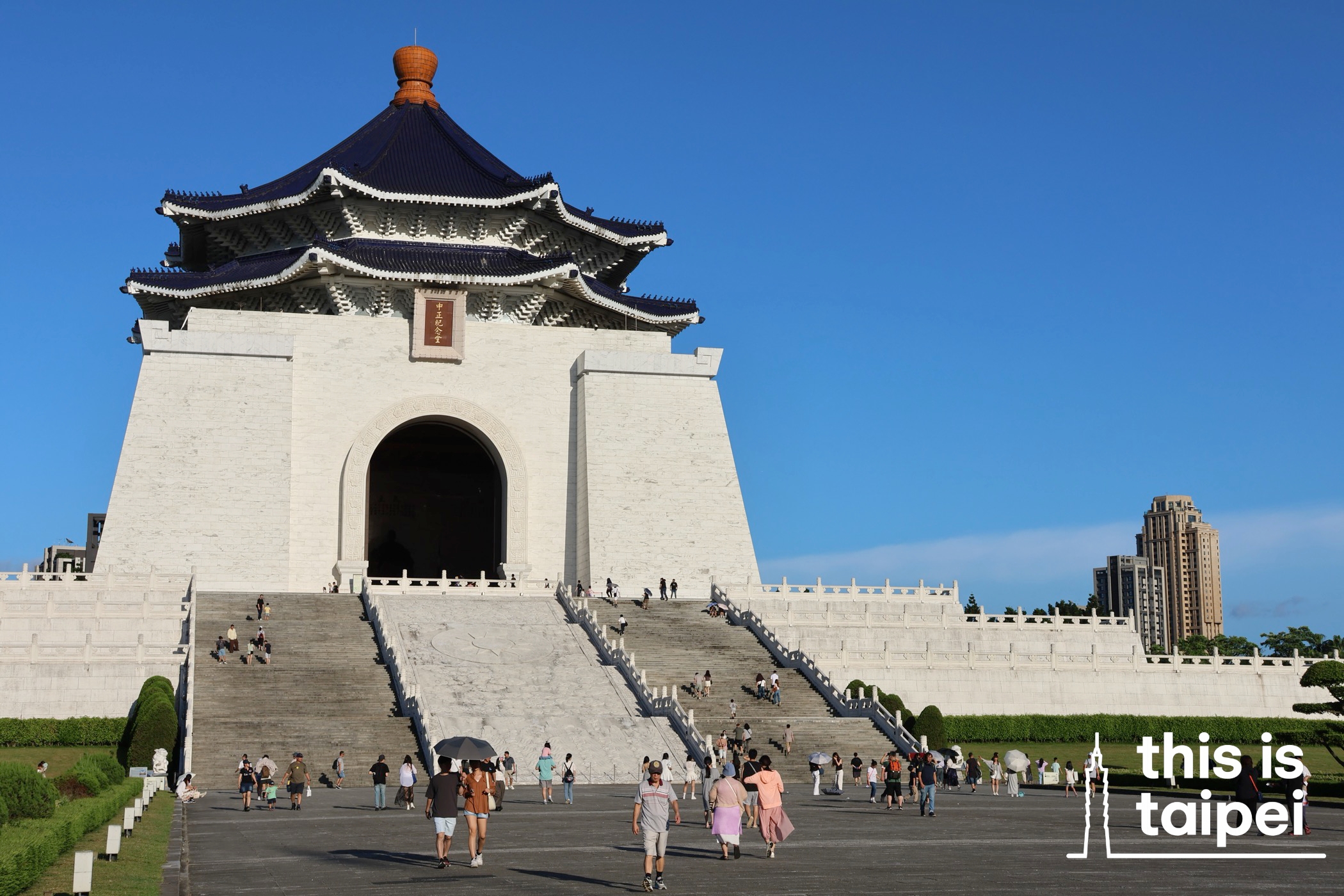
Chiang Kai-shek Memorial Hall is one of Taipei’s most famous landmarks, but it is also politically complex.
According to Taiwanese government websites, Chiang Kai-shek led the nationalist Republic of China (ROC) government that relocated to Taiwan in 1949 after suffering successive defeats to the communists in the Chinese Civil War. In Taiwan, his government imposed martial law and political repression during what is now known as the White Terror period. He ruled the authoritarian ROC government on Taiwan for around 25 years until his death in 1975.
Plans for the memorial hall began after Chiang’s death in 1975, while Taiwan was still under martial law. The building was completed in 1980, originally as a monument to the leader of the one-party state. Today, the site is presented as a space for reflecting on Taiwan’s history and democratic transition.
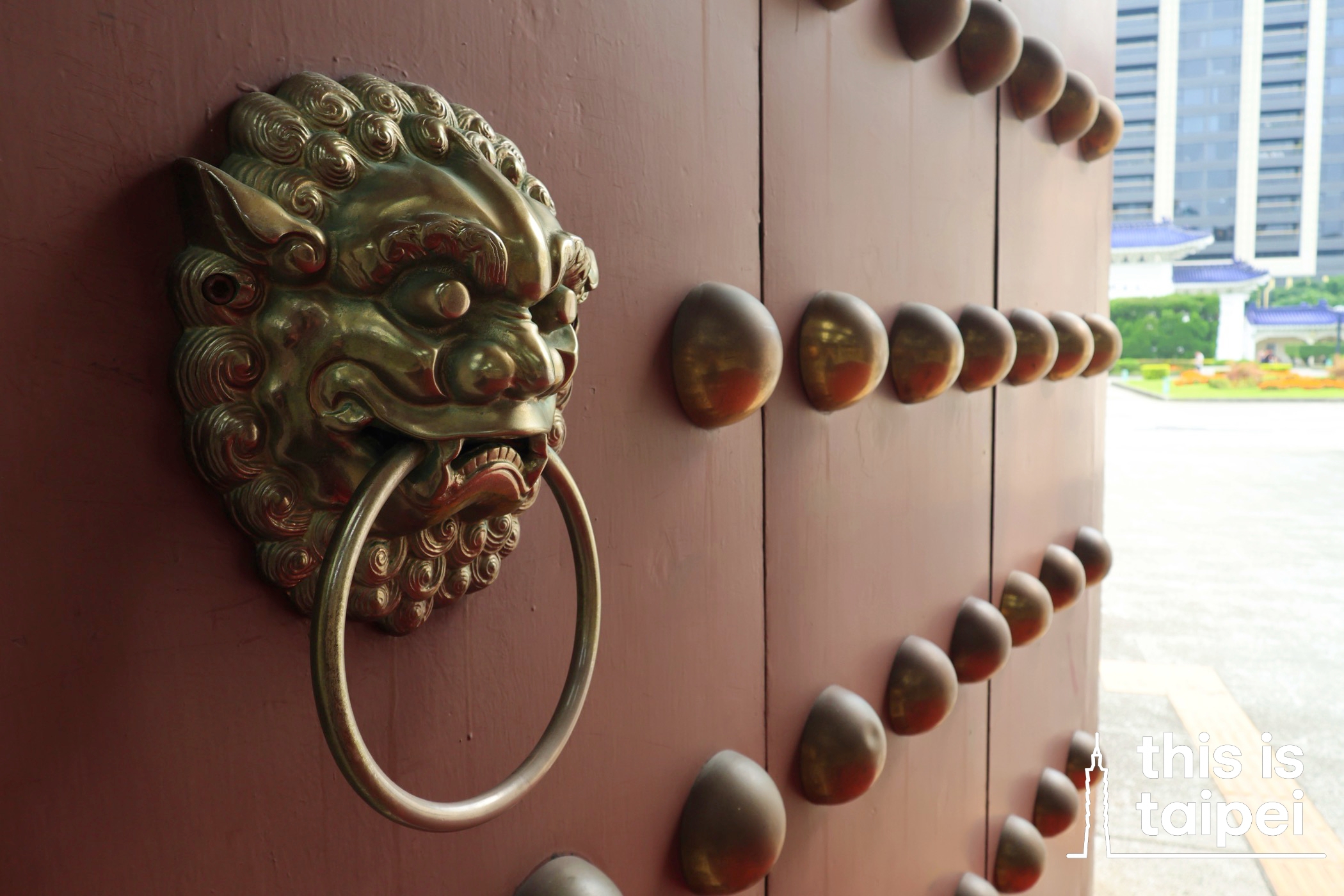

The main hall still houses a large bronze statue of Chiang, which many visitors climb the steps to see. However, in 2024, the changing of the guard ceremony was moved from the upper floor of the memorial hall to Democracy Boulevard in Liberty Square, as part of wider efforts to reduce the memorial’s focus on Chiang himself, according to the memorial hall's official website.
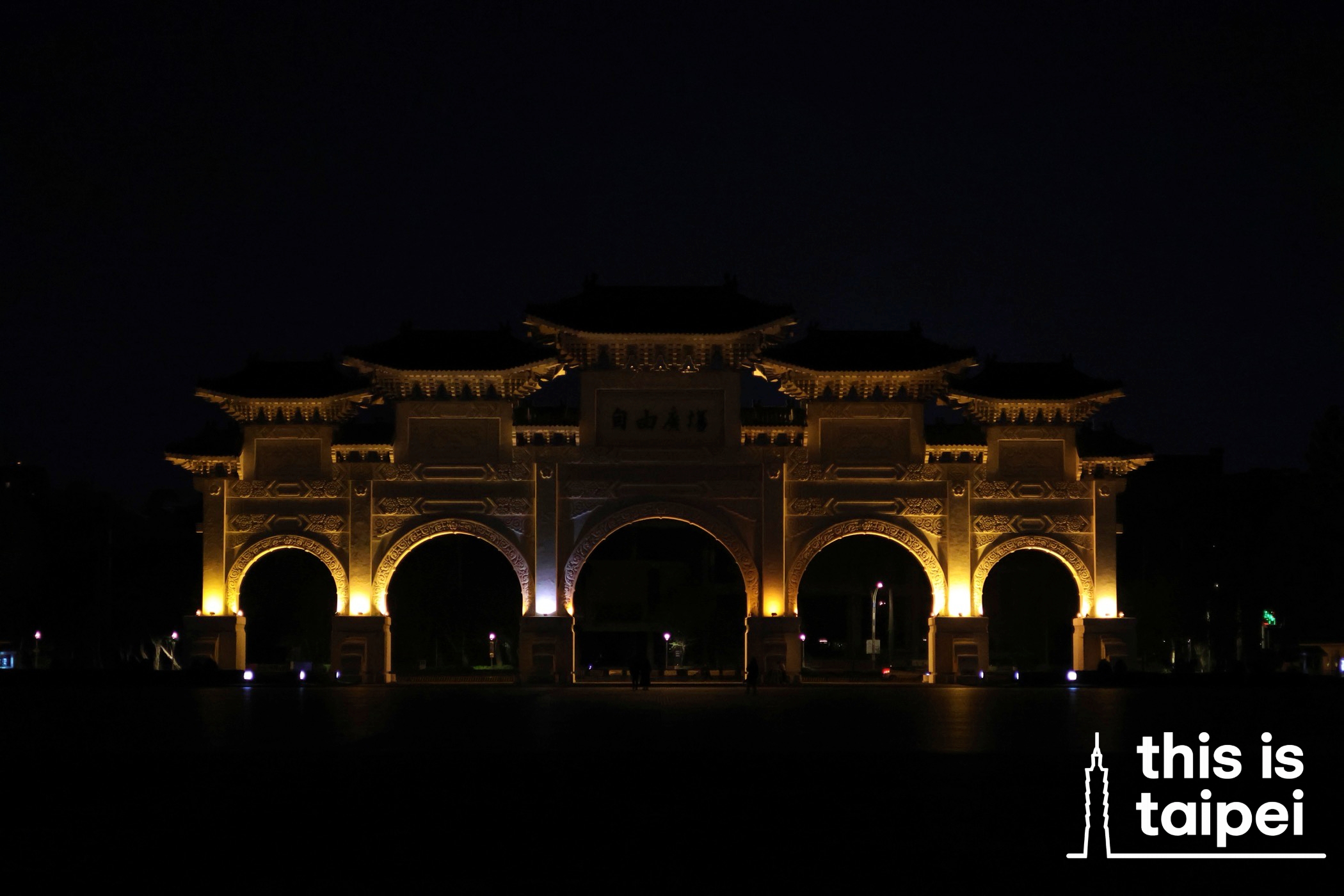
The wider complex is worth exploring too. Liberty Square includes the main archway, a huge open plaza, the National Theater, and the National Concert Hall. Inside the memorial hall, there are also exhibitions and performance spaces.
Flag-raising takes place daily on Democracy Boulevard at 6 AM from April to September and 6:30 AM from October to March. The flag-lowering ceremony is held at 6:10 PM from April to September and 5:10 PM from October to March, according to the memorial hall’s official website.
#3: Longshan Temple
A historic temple in the heart of old Taipei
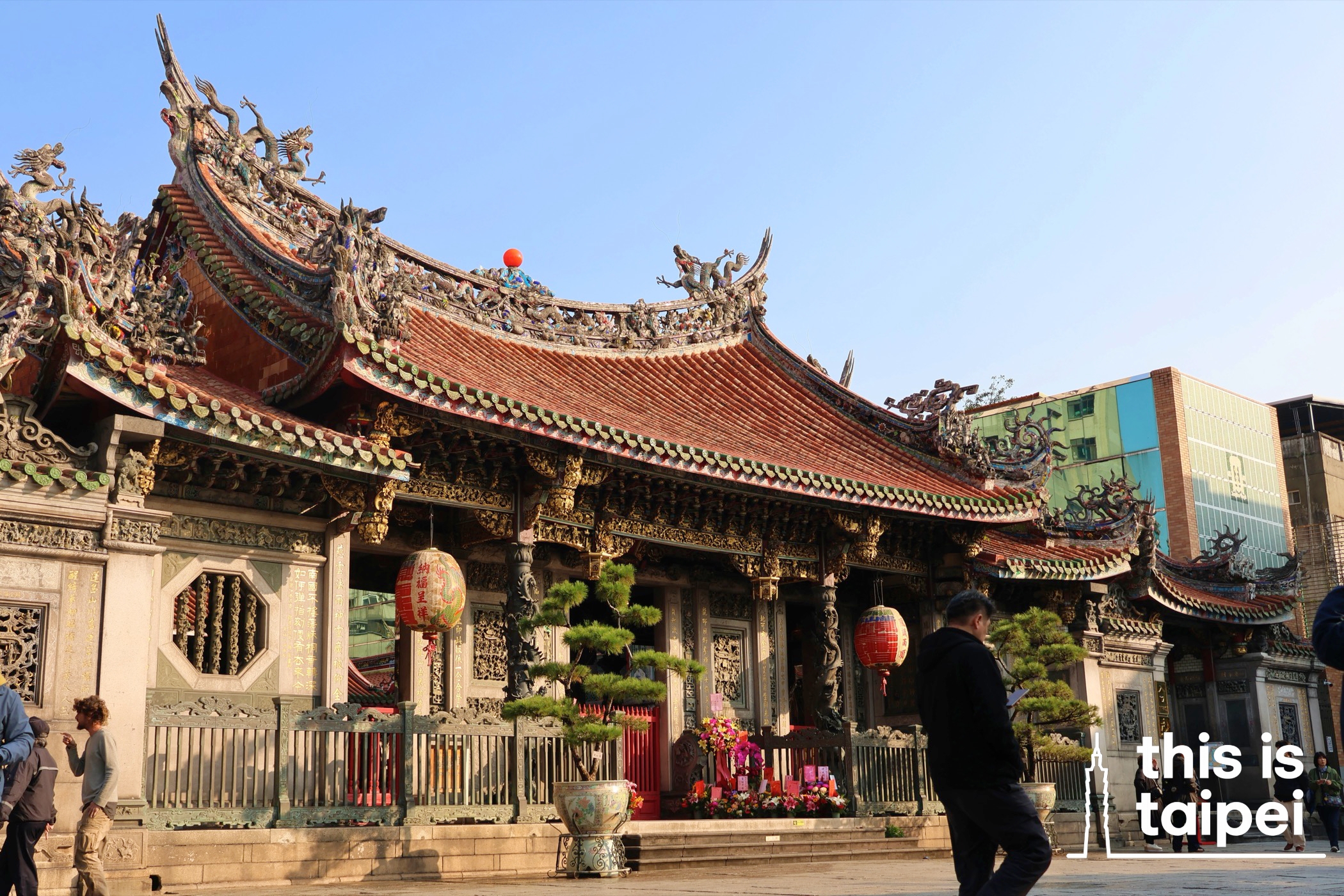
Longshan Temple is one of Taipei’s oldest temples, and remains an active place of worship as well as a major visitor attraction.
Founded in 1738 by settlers from Fujian during the Qing dynasty, the temple is dedicated to Guanyin, one of the most beloved figures in Chinese Buddhism, often described in English as the Goddess of Mercy. It also houses many other Buddhist, Taoist, and folk deities, making it an important religious center for local worshippers, according to the temple's official website.
During World War II, the temple was damaged in an air raid. The main hall was destroyed, but the statue of Guanyin remained intact, strengthening local belief in the deity’s protective power, the temple said.
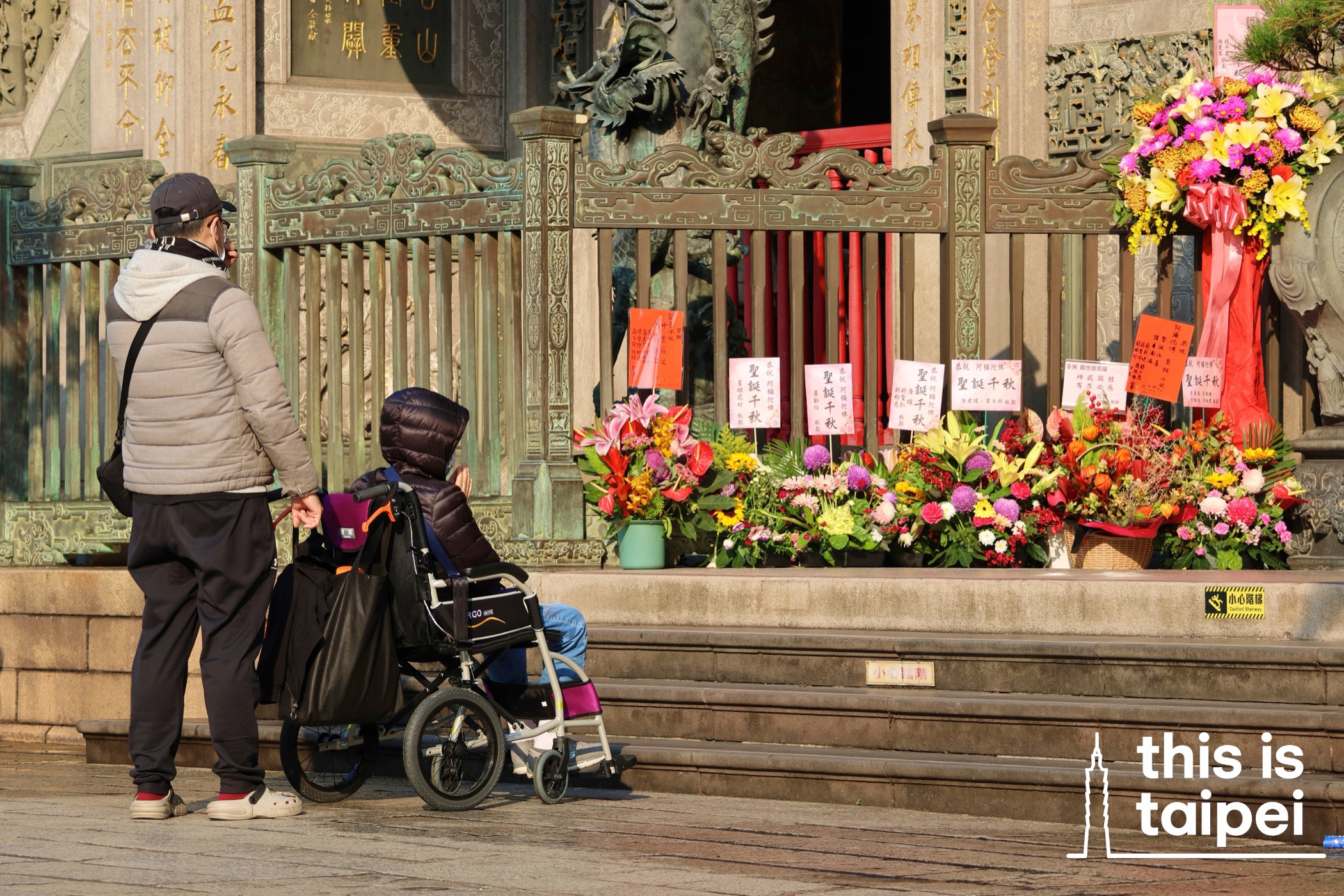
Today, Longshan Temple is visited by a mix of tourists, worshippers, incense, chanting, and everyday neighborhood life. Daily chanting sessions are usually held in the morning and afternoon, with crowds sometimes gathering in front of the main hall.
Many people also come to pray to Yue Lao, the matchmaking deity. According to the temple’s guide, visitors should first pray to the deities in order before asking Yue Lao for help.
You can bring sweets or wedding candy as offerings, then state your name, birthday, address, and wish. Single visitors can describe the kind of partner they hope to meet, while couples can say their partner’s name and pray for the relationship to become stronger. To receive a red string, ask Yue Lao for permission and throw the moon blocks three times. If all three throws are positive, take one string, pass it clockwise over the incense burner three times, and keep it with you. If not, it means the timing is not right, and you should not take one, according to the temple's website.
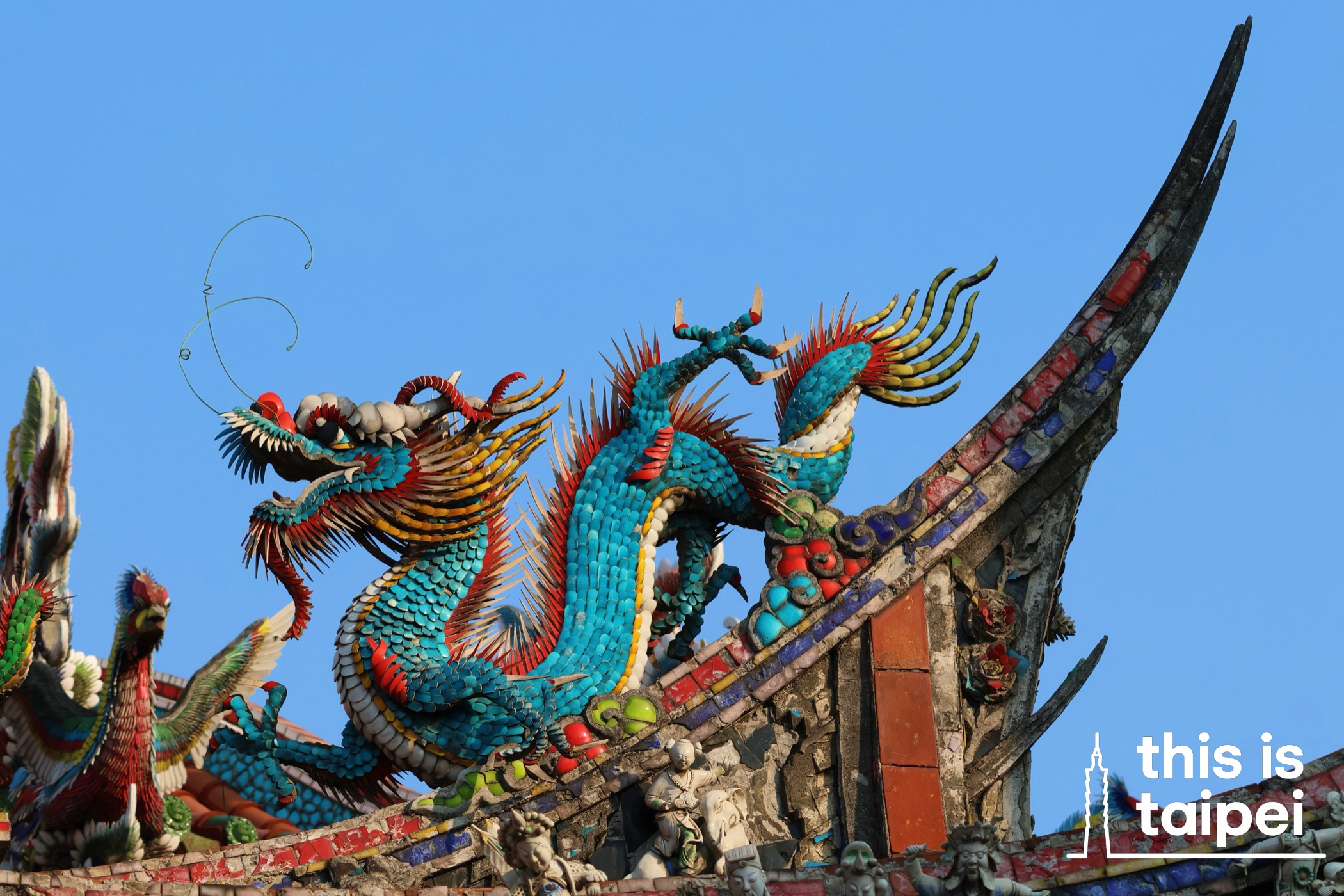
The temple’s architecture is also worth spending some time appreciating. It is arranged around several halls and wings, with painted creatures on the walls, stone guardian figures around the grounds, and a roof decorated with dragons, phoenixes, and other auspicious creatures. Its colorful ceramic, clay, and glass decorations are a major part of what makes it so visually striking.
Longshan Temple is also easy to combine with a wider wander around Wanhua District. It is close to Huaxi Street Tourist Night Market, and the surrounding streets are known for fortune tellers.